
Home › Industry News
AAPA: Passenger volumes remain weak on COVID, while cargo demand remains robust
By Asian Aviation Staff
•Aug 29, 2021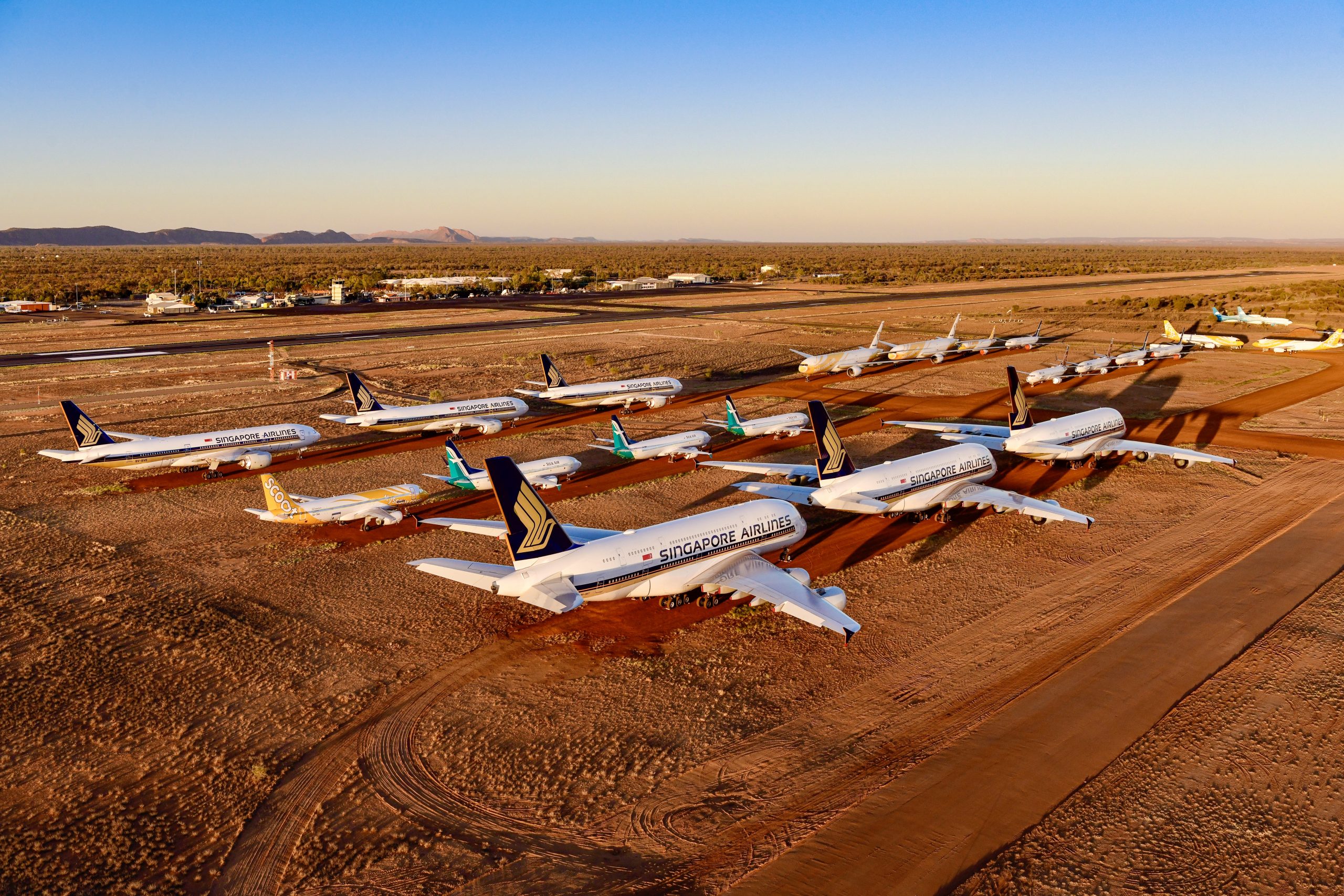
Preliminary July 2021 traffic figures released by the Association of Asia Pacific Airlines (AAPA) showed the continuation of yet another month of extremely weak international passenger volumes, amid an unrelenting rise in COVID-19 infections across Asia and elsewhere. The number of international passengers carried by the region’s airlines totalled 1.5 million in July, representing only 4.6 percent of the 33 million that flew in the corresponding month of 2019. The international passenger load factor averaged 31.8 percent, a sharp decline from the 82.6 percent achieved in July 2019, while available seat capacity for the month was 13.5% of pre-pandemic levels. With strong external demand and congestion at major shipping ports boosting demand for shipments by air, Asia-Pacific airlines recorded a 26.8 percent year-on-year increase in international air cargo demand as measured in freight tonne kilometres (FTK) in July, slightly above the volumes recorded in July 2019. The average international freight load factor climbed by 6.2 percentage points to 76.2 percent for the month, after accounting for a 16.4 percent year-on-year increase in offered freight capacity. Passengers in protective overall and masks at Suvarnabhumi Airport going to check-in for repatriation flights and waving good bye during COVID-19 outbreak. (PHOTO: Shutterstock) “More than a year into the pandemic, strict border restrictions and quarantine measures continue to have a devastating impact on international air travel. By contrast, air cargo remains the single bright spot for the region’s airlines, with strong external demand boosting cargo revenue. However, this remains largely insufficient in mitigating the drastic fall in passenger volumes,” said Subhas Menon, AAPA director general said. Cathay, like other airlines, is relying on cargo to help carry it through the pandemic. (PHOTO: Cathay Pacific) Menon added, “Progress in vaccination roll-outs across the region remains slow as many countries still face challenges in procuring supplies and suffer from resource constraints. Some governments have announced phased reopening plans, which include setting pathways to resuming international travel, based on risk-based assessments and traveller vaccination status. For air travel to restart meaningfully in the region, more governments will need to take similar steps towards relaxing border restrictions, preferably in coordination with counterparts. The outlook for air travel is dependent on further progress with vaccinations across Asia and globally. Crucially, greater collaboration amongst governments on harmonised cross-border measures is necessary, in line with ICAO and WHO recommendations.” For Editorial Inquiries Contact: Editor Matt Driskill at [email protected] For Advertising Inquiries Contact: Head of Sales Kay Rolland at [email protected]
TAGSAAPACargoCOVID-19pandemicpassenger trafficquarantines
Previous article
Plaza Premium Group introduces land-to-air airport experience at Qingdao; extends deal in Brazil
Asian Aviation Staffhttps://asianaviation.com/
Asian Aviation staff is comprised of award-winning journalists based throughout the Asia-Pacific region led by Editor Matt Driskill. 《亚洲航空》的编辑团队由主编马特·德里斯基尔 (Matt Driskill) 带领,汇聚了遍布亚太地区的获奖记者。