
Virgin Australia taking new 737s to grow network, compete domestically with Rex and Qantas
Newly installed Virgin Australia Group CEO Jayne Hrdlicka said the airline was strongly focused on its domestic recovery programme
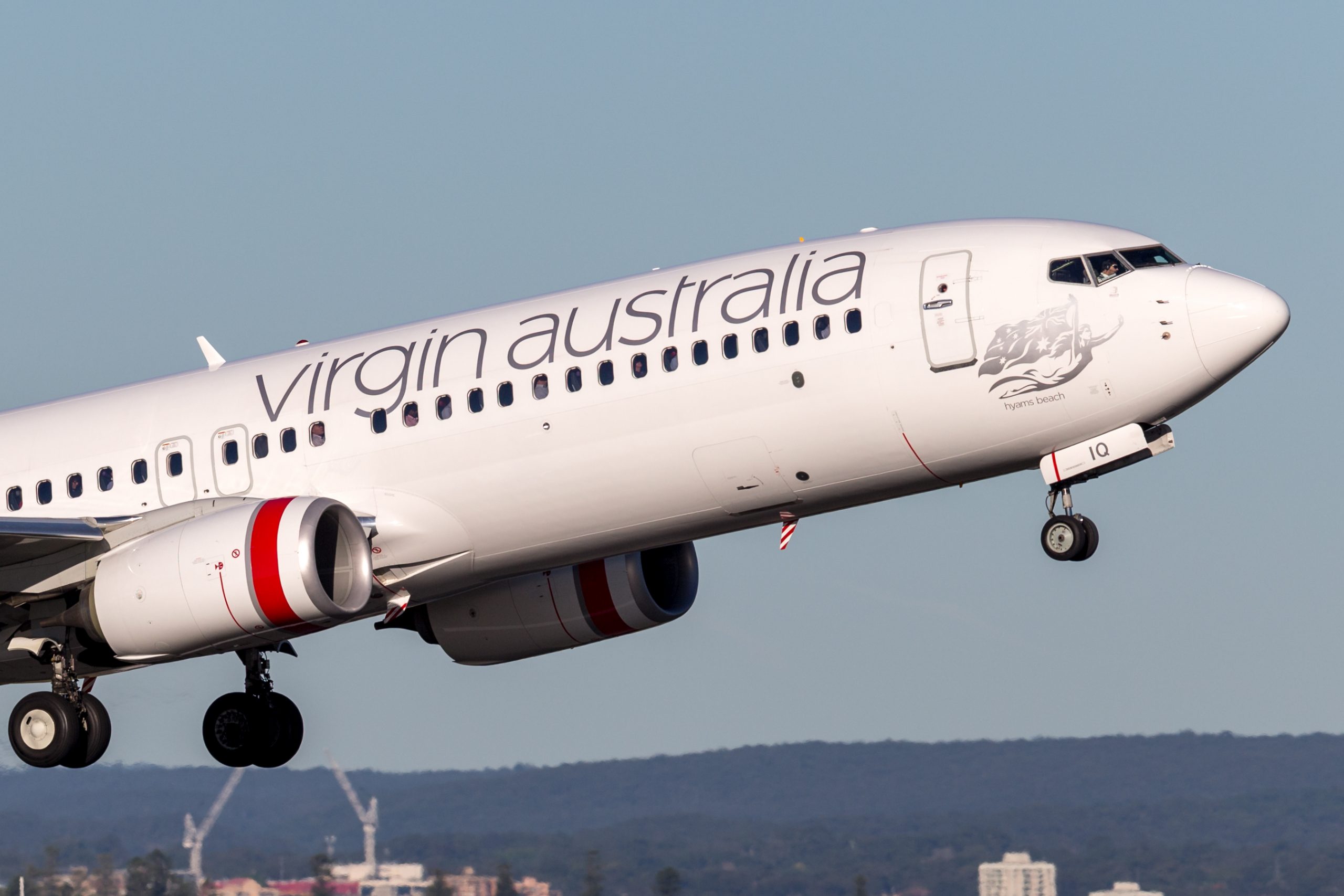
Virgin Australia Group said Thursday (15 April) that it would be leasing new aircraft, add jobs and expand its domestic Australian network to compete with Qantas and Rex. All three carriers are banking on domestic flying in Australia as the country remains cut off for the most part from international flying due to the COVID-19 pandemic. Virgin Australia, which recently came out of bankruptcy, said it would reintroduce 10 additional Boeing 737-800 aircraft and would try to bring back more than 80 percent of its pre-pandemic domestic capacity by mid-June. Network operational changes will also allow the airline to redeploy Boeing 737 aircraft to other parts of its network over the coming months, the airline said. “After a year of rolling state-based restrictions, pent-up travel demand is supporting the launch of several new and expanded services and frequencies on key leisure and business routes. Virgin Australia Group is committed to maintaining a market share consistent with its pre-COVID position,” the airline said Thursday. Jayne Hrdlicka, CEO of Virgin Australia. Newly installed Virgin Australia Group CEO Jayne Hrdlicka said the airline was strongly focused on its domestic recovery programme. “We are building a strong and disciplined business, obsessed with providing our customers the very best of Virgin Australia travel experiences,” said Hrdlicka. “More aircraft means more flying, and with easing travel restrictions, there are more opportunities to further support domestic tourism and the nation’s economic recovery from COVID-19. Today, we are operating around 850 weekly return flights, and as we approach the June school holidays, we will add another 220 return flights per week to our schedule. By mid-June, we expect to be operating more than 80 per cent of our pre-COVID domestic capacity. We’re hopeful that domestic border closures will soon be a thing of the past and are continuing to see positive signs of consumer recovery. As an example of this, we’ve had multiple record-breaking sales days of half-priced fares, with more than 75 percent of the tickets being booked for travel from May onwards.” Virgin Australia said it would be adding new recruits to its cabin crew roster and would bring back 220 crew members from the airline’s discontinued long-haul international, ATR regional and Tigerair Australia operations. The new recruits will join one of 15 cabin crew training schools over the next two months. The airline said it would also try to bring in more than 150 new cabin crew roles. On the plane front, Virgin Australia said it was planning to re-introduce 10 Boeing 737-800 aircraft previously operated by the airline, with further aircraft “under investigation”. The first three aircraft will join the airline’s mainline fleet this month while the remainder are set to progressively enter service by October. The company said it has also entered into wetlease arrangements with Alliance Airlines to operate Fokker 100 services on behalf of Virgin Australia between Brisbane-Alice Springs and Brisbane-Mt Isa from 19 April 2021. The move will allow Virgin Australia to explore more efficient ways of managing capacity and frequencies to support choice and convenience for regional customers, the airline said. Using an Airbus A320 aircraft, Virgin Australia Regional Airlines (VARA) will also move to operate select services on mainline routes between Perth-Darwin, Perth-Broome and Perth-Adelaide from next month. These arrangements will support the redeployment of the Boeing 737 aircraft to other markets. Between now and the June school holidays in Australia, the airline will add more than 220 return flights per week to its schedule, offering new and extended seasonal services and expanded frequencies on key business and leisure routes. Trans-Tasman services to Queenstown are set to recommence ahead of school holidays on 18 September 2021. For Editorial Inquiries Contact: Editor Matt Driskill at [email protected] For Advertising Inquiries Contact: Head of Sales Kay Rolland at [email protected]
Previous article
Airbus uses SAF on Beluga flight
Matt Driskill is the Editor of Asian Aviation. He has been an Asia-based journalist and content producer since 1990 for outlets including Reuters and the International Herald Tribune/New York Times and is a former president of the Foreign Correspondents Club of Hong Kong. He appears on international broadcast outlets like Al Jazeera, CNA and the BBC and has taught journalism at Hong Kong University and American University of Paris. In 2022 Driskill received the “Outstanding Achievement Award” from the Aerospace Media Awards Asia organisation for his editorials and in 2024 received a “Special Recognition for Editorial Perspectives” award from the same organisation. Driskill has received awards from the Associated Press for Investigative Reporting and Business Writing and in 1989 was named the John J. McCloy Fellow by the Graduate School of Journalism at Columbia University in New York where he earned his Master's Degree.
马特·德里斯基尔(Matt Driskill)是《亚洲航空》(Asian Aviation)的主编。他自1990年起,担任驻亚洲的记者和内容制作人,曾为路透社、国际先驱论坛报/纽约时报等媒体工作,并曾任香港外国记者协会会长。他也曾多次在半岛电视台、新加坡广播公司(CNA)和BBC等国际媒体担任嘉宾,并在香港大学和巴黎美国大学教授新闻学。2022年,德里斯基尔因其评论获得了航空媒体奖(Aerospace Media Awards Asia)颁发的“杰出成就奖”,2024年又因其编辑观点获得同一组织颁发的“特别表彰”。他曾获得美联社的调查报道和商务写作奖,并于1989年被纽约哥伦比亚大学研究生新闻学院授予约翰·J·麦克劳伊学者(John J. McCloy Fellow)称号,获得硕士学位。
Comments
Loading comments...