
Home › Industry News
ICAO talkfest calls for aviation industry reforms
By Asian Aviation Staff
•Nov 24, 2026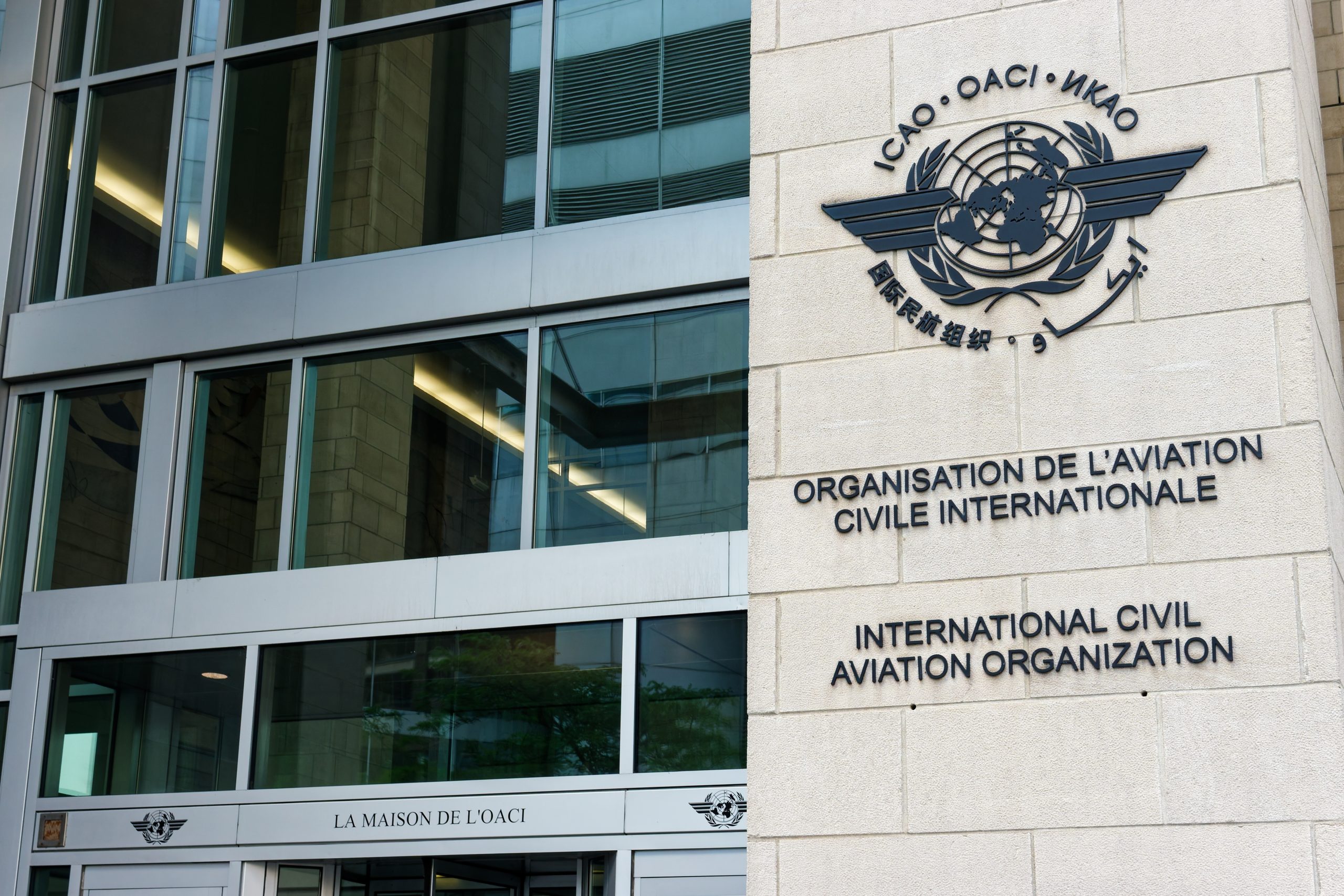
Governments agreed to far-reaching economic reforms for global air transport at the International Civil Aviation Organization, reflecting broad consensus on the need to strengthen aviation’s contributions to global prosperity and prepare for dramatic transformations in air transport. This shared ambition was formalised through a Ministerial Declaration. It comprehensively covers advancing global air transport growth and connectivity, mobilizing investment in civil aviation infrastructure, and strengthening institutional capacity and regulatory effectiveness. “We must unlock the full potential of air transport by committing to robust and sustainable growth,” remarked ICAO Secretary General Juan Carlos Salazar. “The Ministerial Declaration agreed by States today provides commitment to the development and growth of international air transport.” Over 1,500 delegates, including representatives of 154 ICAO Member States and organizations observing the proceedings attended the weeklong ICAO Seventh Worldwide Air Transport Conference. Delegates underscored the urgent need to modernize economic and legal frameworks, invest in infrastructure and skilled workforces, and ensure innovation keeps pace with rapidly changing technologies and global demands. The economic reforms they have identified will support progress under ICAO’s long term strategic plan, which envisions air transport for all by 2050, with zero fatalities and net-zero carbon emissions. Transforming economic policy and cultivating investment for international aviation is key to sustainable development, especially for emerging economies that are forecasted to generate most aviation growth. “Strengthening global connectivity is critical to sustainable economic development,” remarked ICAO Secretary General Juan Carlos Salazar at the closing ceremony. “Together we have created the economic framework that will drive progress towards ICAO’s Strategic Vision for 2050.” The policy recommendations from the conference will now be submitted to the ICAO Council for review and implementation through the organization’s global policies, standards, and plans. ICAO member states identify needed reforms Delegates at the International Civil Aviation Organization proposed reforms to aviation’s global economic framework that will encourage the emergence and deployment of new technologies and cleaner energies. This was the key outcome of today’s talks at the ICAO Worldwide Air Transport Conference, currently taking place at ICAO Headquarters in Montréal. Broad agreement was reached on the need for harmonized, risk-based, and proportionate economic regulation that facilitates the adoption of emerging technologies such as artificial intelligence, automation, sustainable aviation fuels, and advanced air mobility solutions. Participants highlighted the value of frameworks that support innovation, ensure investment, and create clear pathways for commercial deployment, while providing flexibility to address national and local circumstances. Guidance and early-stage regulatory initiatives, including sandboxes and demonstration corridors, were widely recognized as effective ways to nurture new technologies and gather practical experience before introducing binding standards. The Conference placed strong focus on the role of digital transformation in ensuring safe, efficient, and resilient air transport operations. Participants confirmed that reliable, interoperable digital data and intelligent systems underpin not just operational efficiency and safety but are also vital for evidence-based policymaking and future infrastructure modernization. Key themes included the value of modernizing communication and air traffic management systems, developing shared digital standards, and strengthening cyber resilience across the sector. The need to make digitalization accessible and cost-effective for operators of all sizes, and to ensure inclusive participation by developing States, was highlighted as a central priority. Collaboration between industry and government was emphasized as critical to modernizing regulatory approaches and ensuring frameworks keep pace with rapid technological evolution. Panelists noted that close dialogue will help support safe, efficient, and scalable operations worldwide, and that harmonized approaches can provide greater certainty for investors and infrastructure planning. The Conference also reaffirmed that international standards are key to building effective, market-enabling policies and avoiding fragmentation that could impede cross-border air services. Delegates pointed to the ICAO’s Carbon Offsetting and Reduction Scheme for International Aviation (CORSIA) as a successful example of this approach. On the topic of reducing aviation’s environment impact, there was consensus that increasing access to sustainable fuels and new energy solutions can unlock economic opportunity, create skilled jobs, and contribute to energy security for States at every level of development. Participants called for international support, mobilization of investment, and the creation of robust supply chains. The importance of harmonized certification and sustainability criteria to support the global scale-up of sustainable aviation fuels was widely supported, alongside targeted capacity-building for developing States. Throughout their deliberations, delegates underscored the key importance of ICAO’s leadership role in delivering practical guidance, fostering global harmonization, and supporting States with targeted technical assistance and tools in these critical areas. The outcomes of these discussions point to strong and united commitment from ICAO Member States to ensure that regulatory, economic, and digital frameworks are modernized in ways that enable innovation, create opportunity, and sustain the resilience and growth of international air transport. IATA: Governments back global agenda for more sustainable industry The International Air Transport Association (IATA) welcomed the successful conclusion of the 7th International Civil Aviation Organization (ICAO) Worldwide Air Transport Conference (ATConf/7). The agenda set out by governments supported key priorities for a more connected, competitive, sustainable and passenger-focused global air transport system. ATConf/7 brought together ICAO Member States and industry stakeholders in Montreal, Canada, from 16–20 November under the theme, “Air Transport: Powering Global Connectivity, Economic Development and Resilience in a Dynamic World”. The conference focused on priorities including economic regulation, consumer protection, infrastructure financing, innovation, resilience and sustainable growth, against a background of rising industry costs, capacity constraints, and fragmentary policies, particularly on sustainability. As an official observer to ICAO, IATA submitted nine papers to the conference, including six Working Papers and three Information Papers. The submissions addressed economic regulation, consumer protection, airport and air navigation charges, sustainable aviation fuels (SAF), the Carbon Offsetting and Reduction Scheme for International Aviation (CORSIA), taxation, digital identity and passenger facilitation. “The Worldwide Air Transport Conference has demonstrated the unique value of ICAO in bringing governments and industry together around global solutions for aviation. Globally, air transport supports 99 million jobs and generates $5 trillion in economic impact. Governments have sent a strong signal that those benefits can be maximized when regulation enables connectivity, competition and innovation rather than creating fragmentation and unnecessary cost. The challenge now is to turn the conference’s conclusions into action. A first order of business should be for EU member states to support the global CORSIA emissions initiative and prevent the cost and confusion of overlapping carbon programs which would result from the proposed expansion of the EU Emissions Trading System,” said Thomas Reynaert, IATA’s Senior Vice President for External Affairs. Key outcomes aligned with priorities advanced by IATA included: Smarter economic regulation: IATA urged governments to put connectivity, competitiveness and economic development at the heart of aviation regulation and proposed that ICAO develop practical regulatory practices, including the systematic use of impact assessments and cost-benefit analysis. Effective consumer protection: Governments recognized the importance of approaches that protect passengers while maintaining choice and competition. IATA called for a focus on ensuring that travelers have access to clear and consistent information so that they have clear expectations about their air travel journey and understand both their rights and responsibilities. Infrastructure costs and financing: The conference reinforced the importance of ICAO principles in the economic oversight of airports and air navigation service providers. IATA called for effective independent regulation based on cost-relatedness, transparency and meaningful consultation, ensuring that infrastructure investment responds efficiently to demand. A stronger global approach to sustainability: IATA called for governments to move beyond SAF mandates and establish coordinated policies that stimulate production, investment and infrastructure while avoiding competitive distortions. It also urged governments to reinforce CORSIA as the single global market-based mechanism for international aviation emissions, including through increased availability of eligible emissions units and avoiding overlapping national or regional measures. Seamless and secure travel: IATA and ACI highlighted the potential for globally interoperable digital identity to make travel simpler, more secure and efficient. IATA also pressed for consistent implementation of ICAO Annex 9, harmonized Advance Passenger Information (API) and Passenger Name Record (PNR) requirements, and clearer recognition that governments retain responsibility for decisions on passenger admissibility. Globally consistent taxation: IATA and ACI urged governments to ensure that emerging international tax rules respect ICAO’s established framework for international aviation, protecting existing residence-based taxation arrangements and avoiding overlapping taxing rights, double taxation and unnecessary complexity. ATConf/7 was the first worldwide ICAO Air Transport Conference since 2013, placing particular importance on setting policy direction against a significantly changed operating and economic environment. The sharp increase in fuel price and the general cost of living means that air passenger growth in 2026 will likely be the lowest since 2009 (excepting the pandemic years). “Global standards have been one of aviation’s great strengths. With the temptation towards regulatory fragmentation growing, ATConf/7 reaffirmed the importance of governments working through ICAO. Airlines need regulation that is globally coherent, evidence-based and focused on delivering benefits for passengers. And air cargo is not simply a transport activity, but a critical component of global trade and connectivity that requires regulatory frameworks tailored to its unique operational requirements. In a period when air transport is under the greatest pressure it has seen since the pandemic, the discussions at this conference have been positive. IATA will work with ICAO and governments to maintain the momentum from Montreal,” said Reynaert. For Editorial Inquiries Contact: Editor Matt Driskill at [email protected] For Advertising Inquiries Contact: Head of Sales Sally Passey at [email protected]
TAGSICAO
Previous article
VIEWPOINT: Expanding cold chain visibility for onboard meals
Asian Aviation Staffhttps://asianaviation.com/
Asian Aviation staff is comprised of award-winning journalists based throughout the Asia-Pacific region led by Editor Matt Driskill. 《亚洲航空》的编辑团队由主编马特·德里斯基尔 (Matt Driskill) 带领,汇聚了遍布亚太地区的获奖记者。