
Home › Industry News
IATA takes issue with EU261 pax rights regs
Association calls EU261 "a regulatory burden" that has failed to deliver
By Asian Aviation Staff
•Jun 18, 2026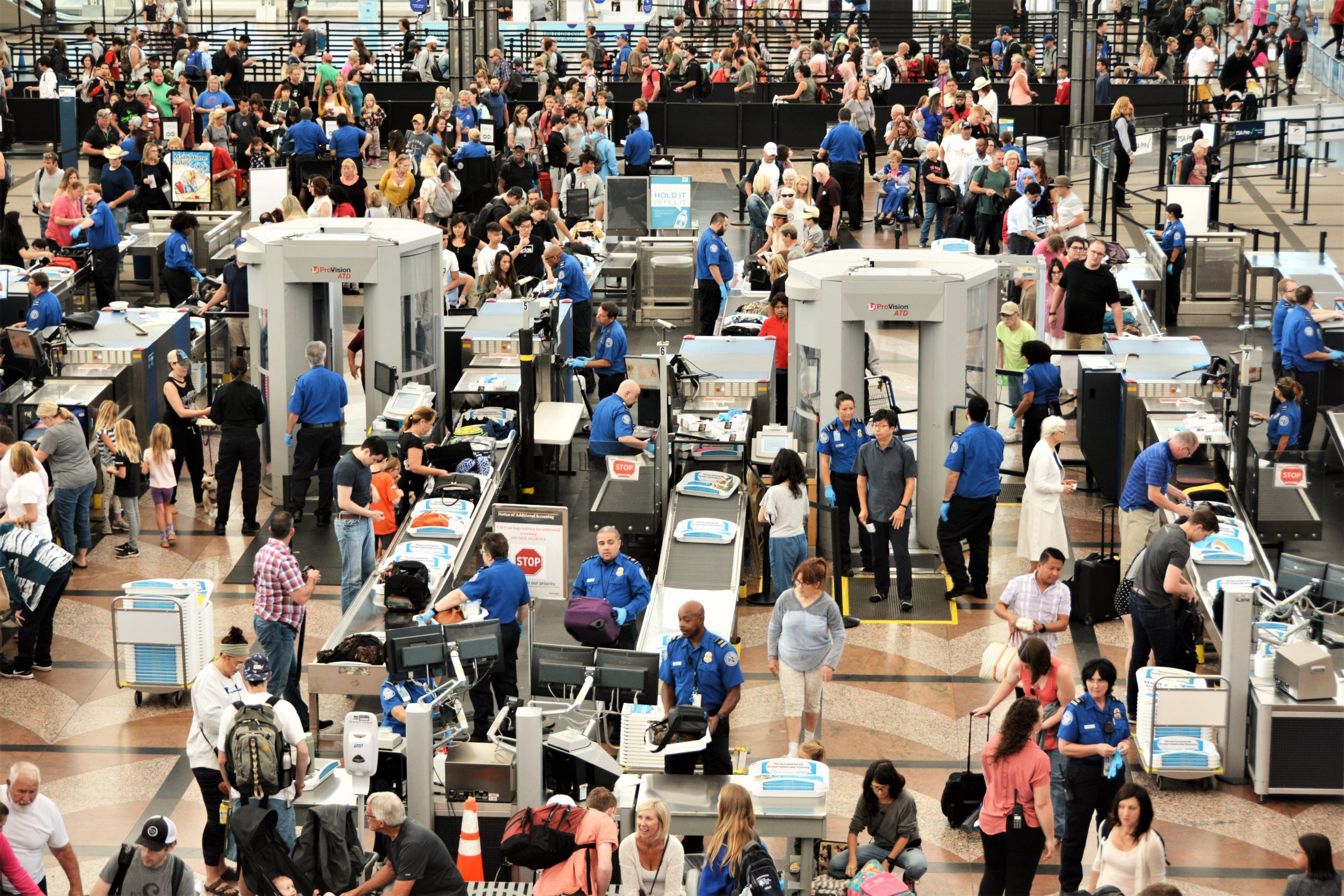
The International Air Transport Association (IATA) expressed frustration that revisions to EU261 (Europe’s passenger rights regulations) stopped short of the meaningful reform needed to address the regulation’s deep flaws. The result is a missed opportunity with little to improve the passenger experience and nothing to shore-up European competitiveness, IATA said. (PHOTO: Shutterstock) The only substantial changes with respect to disruptions were: The addition of a non-exhaustive list of extraordinary circumstances, albeit one which inexplicably fails to reinforce the industry’s safety-first approach, and A requirement for airports to have contingency plans for accommodation in the event of mass disruptions, which is a first small step on the road to shared accountability across the aviation ecosystem. EU261 has a regulatory burden now totalling EUR8 billion annually but fails to deliver on its intention to improve performance on delays and cancellations as evidenced by Eurocontrol data. This is to be expected considering that a major share of delays is related to deficiencies in Europe’s air traffic management system, the association said. In the interest of better serving passengers, airlines supported the European Commission’s proposals for longer time thresholds for delays before compensation obligations kick-in. This would have increased an airline’s ability to provide alternative arrangements, which passengers consistently note as their top priority when travel plans are disrupted. This meaningful reform was removed in negotiations with the European Parliament, while other requirements (several unrelated to disruptions) were added with little input or consideration of their operational consequences. Willie Walsh, director General of IATA. (PHOTO: IATA) “After 13 years of discussion, the opportunity to improve Europe’s competitiveness and the passenger experience by addressing the flaws of EU261 was lost. The result will not reduce delays, but considering the whole package of changes, it will create operational challenges and add costs which will ultimately be borne by passengers. So, it’s a reform in name only that does nothing to help disrupted passengers. Those responsible for this political trade-off must be held accountable with transparent data to monitor its costs and impacts,” said Willie Walsh, IATA’s Director General. IATA pointed to two upcoming opportunities which must be carefully followed. “Where do we go from here? First, we must work with the Council and Parliament to ensure that the enforcement package does not make an already bad situation worse with additional regulatory burdens that the sector can ill afford. The aim should be practical, effective, and consistent implementation. And second, Europe’s imminent Aviation Strategy must address air traffic management deficiencies which are the root cause of many delays,” said Walsh. For Editorial Inquiries Contact: Editor Matt Driskill at [email protected] For Advertising Inquiries Contact: Head of Sales Sally Passey at [email protected]
TAGSIATApassenger rights
Previous article
Lufthansa Technik JV to build 2nd MRO base in the Philippines
Asian Aviation Staffhttps://asianaviation.com/
Asian Aviation staff is comprised of award-winning journalists based throughout the Asia-Pacific region led by Editor Matt Driskill. 《亚洲航空》的编辑团队由主编马特·德里斯基尔 (Matt Driskill) 带领,汇聚了遍布亚太地区的获奖记者。