
Home › Industry News
COVID-19: IATA calls for ‘confidence boosting measures’ to help global aviation recovery
‘Double whammy’ of economic recession and fear will keep passengers grounded
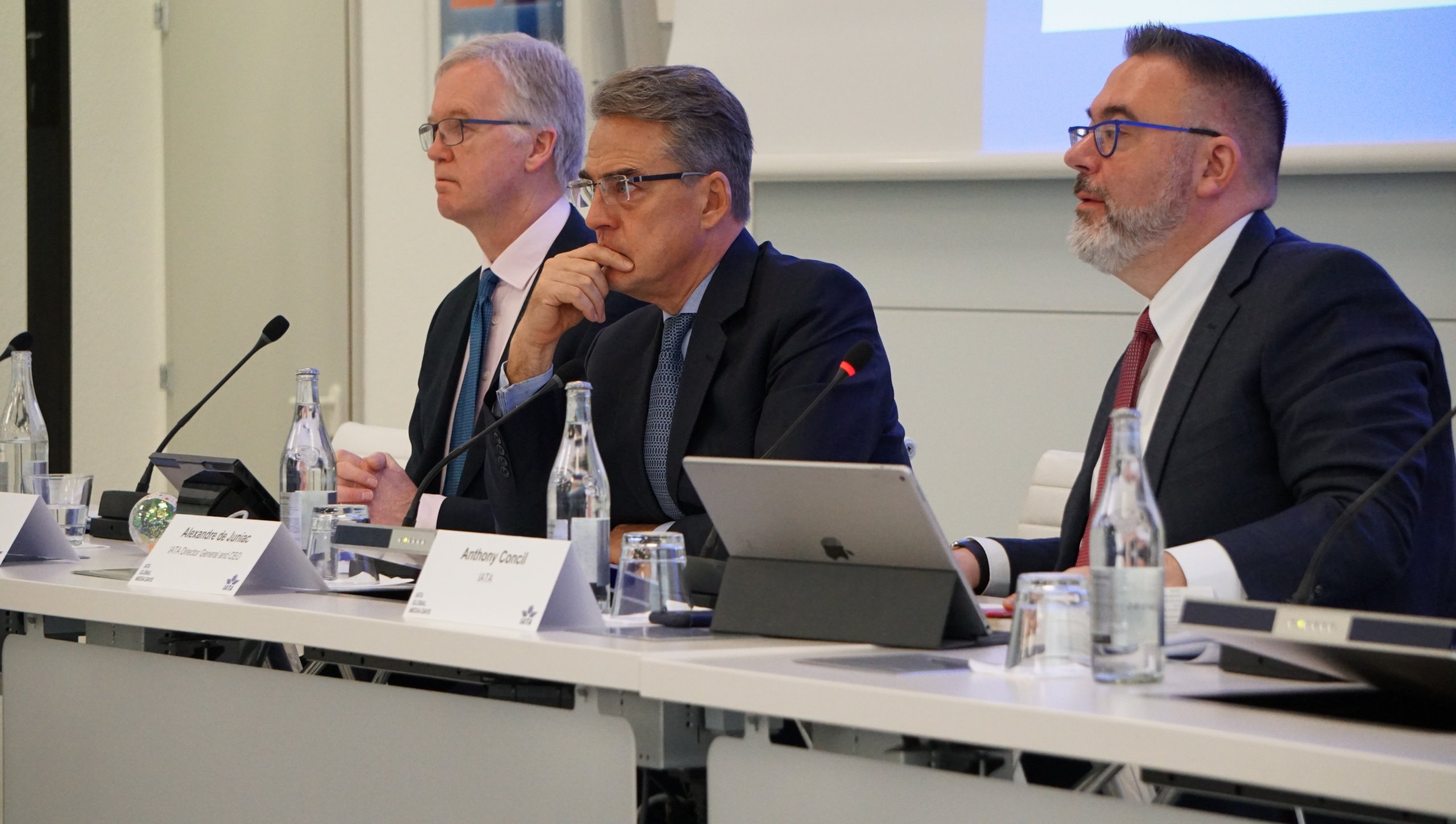
The main global trade body for the aviation industry, the International Air Transport Association (IATA), is continuing to call on global governments for aid and assistance as the COVID-19 pandemic continues to hammer commercial aviation with thousands of planes grounded, airports becoming virtual ghost towns, airlines failing and thousands of workers either furloughed or sacked outright. In its weekly media conference call on Tuesday (21 April), IATA officials said governments needed to work with the industry “on confidence-boosting measures” because countries with lockdowns and border restrictions in place will be slow to lift those even when some feel it is safe to travel. Industry analysts and officials at IATA have for weeks been saying countries with domestic networks will see aviation recover first but international networks will only very slowly start to regain passengers. “Passenger confidence will suffer a double whammy even after the pandemic is contained—hit by personal economic concerns in the face of a looming recession on top of lingering concerns about the safety of travel. Governments and industry must be quick and coordinated with confidence-boosting measures,” said Alexandre de Juniac, IATA’s director general and CEO. Listen to the conference call here. Download the latest IATA report here. An IATA-commissioned survey of recent travellers found that 60 percent anticipate a return to travel within one to two months of containment of the COVID-19 pandemic but 40 percent indicated that they could wait six months or more to travel. The survey also found that 69 percent indicated that they could delay a return to travel until their personal financial situation stabilises. IATA said “early indications of this cautious return-to-travel behaviour are seen in the domestic markets of China and Australia, where new coronavirus infection rates have fallen to very low levels. In China, domestic demand began to recover when the rate of new COVID-19 infections fell into single digits and rapidly headed towards zero (measured by new infections as a percentage of the seven-day moving average of total COVID-19 cases). While there was an early upswing from mid-February into the first week of March, the number of domestic flights plateaued at just over 40 percent of pre-COVID-19 levels. Actual demand is expected to be significantly weaker as load factors on these flights are reported to be low. China accounts for some 24 percent of all domestic passengers. In Australia domestic demand continued to deteriorate even after the rate of new infections fell into single digits which triggered an initial recovery in the Chinese domestic market. In fact, there is still no sign of a recovery (total domestic flights are at 10 percent of pre-COVID-19 levels) even as new infections nears zero. Australia accounts for 3 percent of all domestic travellers. COVID-19: The shape of aviation to come COVID-19: IATA warns of airline revenue losses at US$314 billion for 2020 due to pandemic COVID-19: AAPA says Asia-Pacific traffic down 93% in first week of April as borders remain closed COVID-19: IATA says 25 million jobs at risk as air travel shuts down COVID-19: Airbus cuts production by one-third COVID-19: The quiet skies over India COVID-19: Airlines in danger of losing ‘brand value’ Video: Government support to the aviation sector in view of COVID-19 COVID-19: Cathay Pacific traffic figures fall off a cliff Cirium’s view on COVID-19’s effects on the aviation industry. COVID-19: Boeing to reopen additional plants, activates airlift for PPE mission from China Boeing says it will resume commercial plane production in Washington’s Puget Sound area An empty airport shows the current state of the industry due to the COVID-19 pandemic. (PHOTO: Shutterstock) Domestic market behaviour is a critical indicator as the post-pandemic recovery is expected to be led by domestic travel, followed by regional and then intercontinental as governments progressively remove restrictions. “In some economies, the spread of COVID-19 has slowed to the point where governments are planning to lift the most severe elements of social distancing restrictions. But an immediate rebound from the catastrophic fall in passenger demand appears unlikely. People still want to travel. But they are telling us that they want clarity on the economic situation and will likely wait for at least a few months after any ‘all clear’ before returning to the skies. As countries lift restrictions, confidence boosting measures will be critical to re-start travel and stimulate economies,” said de Juniac. Airlines like Cathay Pacific have had to grounds hundreds of planes as they deal with the fallout from the COVID-19 virus. (PHOTO: Shutterstock) IATA is conducting regional summits with governments and industry partners to begin planning for an eventual re-start of the air transport industry. “The passenger business came to a halt with unilateral government actions to stop the spread of the virus. The industry re-start, however, must be built with trust and collaboration. And it must be guided by the best science we have available. Time is of the essence. We must start building a framework for a global approach that will give people the confidence that they need to travel once again. And, of course, this will need to be shored-up by economic stimulus measures to combat the impact of a recession,” said de Juniac. In addition to confidence-building and stimulus measures, the anticipated slow recovery also adds urgency to the need for emergency financial relief measures. IATA estimates that some 25 million jobs in aviation and its related value-chains, including the tourism sector, are at risk in the current crisis. Passenger revenues are expected to be US$314 billion below 2019 and airlines will burn through about US$61 billion in liquidity in the second quarter alone as demand plummets by 80 percent or more. “This is an emergency. Airlines around the world are struggling to survive. Virgin Australia which entered voluntary administration demonstrates that this risk is not theoretical. Governments will need financially viable airlines to lead the economic recovery. Many of them won’t be around to do that if they have run out of cash. The number of governments recognising that relief measures are needed is growing. But the crisis is also deepening. We thank the governments that have committed to provide the industry a lifeline and look forward to quick implementation. For the others, each day matters. Millions of jobs are at stake and relief cannot come fast enough,” said de Juniac. Download the latest issue of Asian Aviation here.
TAGSAsian AviationcoronavirusCOVID-19IATA

Matt Driskillhttp://www.matt-driskill.com
Matt Driskill is the Editor of Asian Aviation. He has been an Asia-based journalist and content producer since 1990 for outlets including Reuters and the International Herald Tribune/New York Times and is a former president of the Foreign Correspondents Club of Hong Kong. He appears on international broadcast outlets like Al Jazeera, CNA and the BBC and has taught journalism at Hong Kong University and American University of Paris. In 2022 Driskill received the “Outstanding Achievement Award” from the Aerospace Media Awards Asia organisation for his editorials and in 2024 received a “Special Recognition for Editorial Perspectives” award from the same organisation. Driskill has received awards from the Associated Press for Investigative Reporting and Business Writing and in 1989 was named the John J. McCloy Fellow by the Graduate School of Journalism at Columbia University in New York where he earned his Master's Degree.
马特·德里斯基尔(Matt Driskill)是《亚洲航空》(Asian Aviation)的主编。他自1990年起,担任驻亚洲的记者和内容制作人,曾为路透社、国际先驱论坛报/纽约时报等媒体工作,并曾任香港外国记者协会会长。他也曾多次在半岛电视台、新加坡广播公司(CNA)和BBC等国际媒体担任嘉宾,并在香港大学和巴黎美国大学教授新闻学。2022年,德里斯基尔因其评论获得了航空媒体奖(Aerospace Media Awards Asia)颁发的“杰出成就奖”,2024年又因其编辑观点获得同一组织颁发的“特别表彰”。他曾获得美联社的调查报道和商务写作奖,并于1989年被纽约哥伦比亚大学研究生新闻学院授予约翰·J·麦克劳伊学者(John J. McCloy Fellow)称号,获得硕士学位。