
Cathay Pacific and Google partner for AI-powered contrail avoidance research
By Asian Aviation Staff
•Sep 9, 2026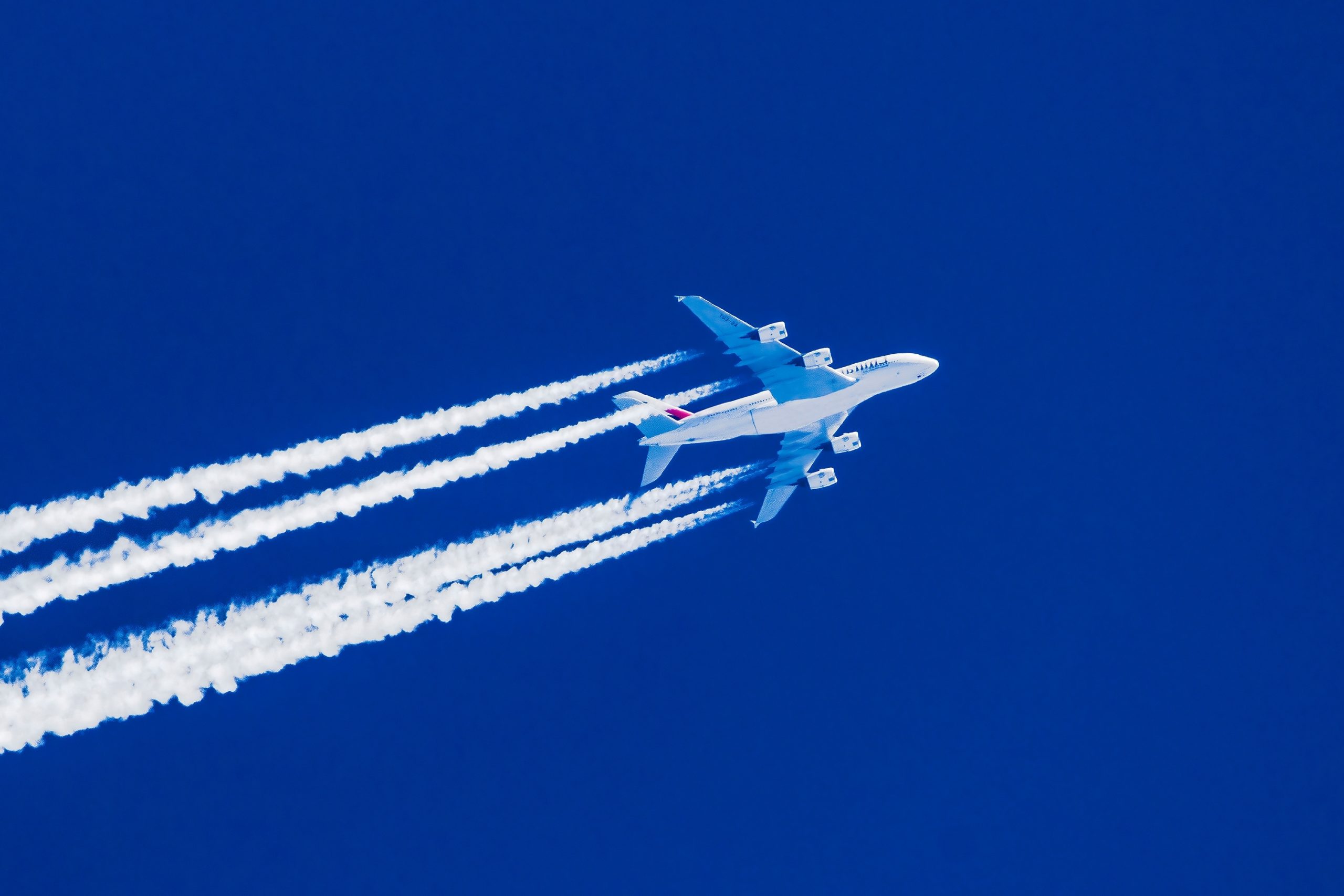
Cathay Pacific and Google announced a partnership to advance research on contrails and their contribution to aviation’s climate impact. Cathay Pacific is Google’s first commercial airline partner in Asia-Pacific to trial its AI-powered contrail mitigation technology, and the first airline globally to test contrail avoidance on ultra-long-haul flights. The companies have started trials to evaluate the operational feasibility and constraints of contrail avoidance across Cathay Pacific’s extensive global network. The trials will contribute valuable new data to global contrail research and advance understanding of contrail formation and avoidance in the Asia-Pacific region, a geography that has been underrepresented in previous trials. The real-world data gathered through the trial would allow the industry to better understand the climate benefits of contrail avoidance in actual operational environments. The thin white lines that sometimes form behind aircraft in the sky are known as contrails, or condensation trails. They are clouds that form when aircrafts fly through certain cold and humid conditions at high altitude. While many disappear quickly, some persist and spread into broader cloud formations that can trap heat in the atmosphere. Previous research suggests these persistent contrails could account for around one-third of aviation’s total climate impact, making them an important area of study alongside carbon dioxide (CO₂) emissions. Cathay recognises aviation’s contribution to climate change and is working towards addressing the climate impacts through multiple approaches. Reducing CO₂ emissions remains a primary focus for Cathay through fleet modernisation, operational efficiency improvements and the adoption of sustainable aviation fuel (SAF). At the same time, the airline recognises the importance of growing scientific understanding of non-CO₂ climate effects, including contrails. Through this partnership, Cathay Pacific and Google are supporting contrail research using real-world operational data from flight trials. The insights will help build further understanding of the impact and possible actions airlines can take against individual contrails, while exploring how contrail avoidance could be implemented and managed at scale across the aviation industry. Google’s contrail mitigation solution combines AI-based predictive models, satellite imagery detection tools, and extensive weather intelligence to forecast contrail-forming zones. This actionable data allows flight dispatchers and pilots to make informed altitude adjustments navigating around these zones much like they routinely do to avoid turbulence. Onboard, Cathay Pacific leverages its modernised fleet capabilities, combining in-flight Wi-Fi connectivity with its proprietary, in-house developed Electronic Flight Folder (EFF). The EFF system equips pilots with dynamic Google contrail forecasts alongside real-time operational parameters, enabling seamless decision-making in the cockpit without disrupting normal operations. Lawrence Fong, Director Digital and IT, Cathay said: “Aviation needs solutions to address climate change, and AI is accelerating that progress. This partnership combines Cathay’s operational expertise with Google’s world-class AI capabilities to tackle complex sustainability challenges at scale. At Cathay, we believe innovation should deliver tangible and meaningful impact, and this collaboration sets a new benchmark for leadership in our industry.” Michael Yue, Managing Director and General Manager, Google Hong Kong said: “At Google, we believe AI has the power to help address complex environmental challenges and our partnership with Cathay Pacific is a prime example of this in action—researching how predictive AI can be deployed in live operations to help address the climate impact of contrails with today’s aircrafts and today’s fuel. This work reflects our ongoing commitment to developing sustainable solutions that deliver lasting impact, and we’re excited to expand our trial with Cathay Pacific and continue contributing to open climate science together.” The initial trial provided valuable experience for integrating predictive AI data in live flight planning to support contrail avoidance at flights level, while bringing together the operational and technical stakeholders needed to make such trials possible. While the partnership delivered encouraging results on individual flights, further trials and research are needed to assess the benefits of applying contrail avoidance measures across airlines and airspaces. The availability of such robust science evidence will enable further industry considerations and policy development by airlines, regulators, and other industry players. The partners are embarking on a larger second phase of flight trials to generate a broader set of real-world operational data and further insights across Cathay Pacific’s Asia and transpacific network. Contrails.org, a nonprofit initiative dedicated to advancing the science of contrail mitigation, is also a partner in the project. The ongoing partnership aims to generate a robust operational data set to further scientific understanding of contrail avoidance and help inform future industry best practices. 國泰航空與 Google 攜手合作 開展以人工智能技術避免航跡雲形成的研究 透過國泰航空全球網絡營運試行航跡雲應對方案 評估營運可行性及潛在氣候效益 結合真實營運數據及人工智能應用推動全球航跡雲研究發展 2026 年 9 月 7 日.香港 – 國泰航空與 Google 今日宣布合作推行有關航跡雲(Contrails)的研究,結合航空營運數據與人工智能(AI)技術,更全面地了解航空業及航跡雲對氣候的影響。國泰航空是 Google 在亞太區的首個商業航空公司夥伴,在實際營運中試驗人工智能驅動的航跡雲跡應對方案,亦是全球首家於超長途航班試行這項新技術的航空公司。雙方已展開飛行試驗,評估應對航跡雲的措施在國泰航空全球航線網絡中的可行性及潛在限制。有鑑於亞太地區的相關科學研究相對匱乏,這次合作將為全球航跡雲研究提供寶貴數據,並且進一步加深航空業界對亞太地區空域航跡雲的形成及應對措施的了解,減緩航跡雲所帶來的影響。 「航跡雲」(Contrails)是飛機在飛越高空寒冷且潮濕的大氣層時形成的白色尾跡。雖然大部分航跡雲會迅速消散,但亦有可能持續存在並擴散成更廣泛的雲層,將熱量困於大氣層。過往研究指出,持續存在的航跡雲可能佔航空業整體氣候影響約三分之一,因此航跡雲與二氧化碳(CO₂)的排放並列為航空業重要的研究範疇之一。 國泰深明航空業對氣候變化帶來的影響,正積極透過多方面措施應對相關挑戰,減少二氧化碳排放的措施包括持續推行機隊現代化、提升營運效益及採用可持續航空燃油(SAF)等。國泰航空亦積極關注航空業非二氧化碳包括航跡雲對氣候影響的科學研究。透過今次合作,國泰航空與 Google 將利用實際航班測試所獲取的數據支持航跡雲 AI 應對方案的研究,進一步加深業界對航跡雲影響的了解,讓航空公司可以採取相應措施,同時評估相關措施於商業航空大規模應用的可行性。 駕駛艙內的人工智能技術應用展現令人鼓舞的初步成果 Google 的航跡雲應對方案結合人工智能預測模型、衛星影像偵測工具及大量氣象數據,用以預測容易形成航跡雲的空域,所得資訊可協助航班簽派員及機師作出更準確判斷,並透過調整飛行高度避開相關區域,避免航跡雲的形成,這方式與現時避開氣流的操作相似。 在航機上,國泰航空充分發揮現代化機隊的優勢,善用機上無線網絡及由內部團隊自主研發的電子飛行資料夾(Electronic Flight Folder,EFF)。機師可透過電子飛行資料夾適時查看 Google 提供的動態航跡雲預測數據及實時營運資訊,讓機師能夠在不影響航務運作的情況下,作出更適時及準確的飛行決策。 這項合作於 2025 年底展開,至今已在超過 100 班國泰航空的航班上應用,其中在 80 多班航班採用了避免航跡雲形成的飛行路線[1]。根據 Google 估算,這些航班降低了約 40% 因航跡雲產生的氣候影響。其中,香港往返新加坡的空域常出現利於航跡雲形成且持久存在的氣象條件,因此成為研究航線之一。初步分析顯示,航機只需輕微調整飛行高度便可有效避免航跡雲形成,單計此航線所減少的總氣候影響便佔整個試行計劃總成效的一半以上 。 國泰數碼及資訊科技董事方逸翔表示:「航空業需要應對氣候變化的方案,而人工智能正加速推動相關進展。是次合作結合國泰深厚的營運經驗與 Google 領先的人工智能技術,共同應對大規模且複雜的可持續發展挑戰。國泰相信,創新應帶來實際且長遠價值,這項合作不僅體現雙方推動可持續發展的共同願景,更為航空業的創新領導力樹立新標準。」 [1] 受空域及有效載荷等因素影響,並非全部逾 100 班國泰航空航班均有參與試行計劃,相關營運考慮是未來進一步研究的主題。 Google 香港銷售及營運總經理余名德表示:「 Google 深信人工智能有助應對複雜的環境挑戰,而我們與國泰航空的合作正是一個最佳例子,研究如何利用預測式人工智能技術,配合現有飛機及燃料,在實際飛行營運中應對航跡雲所帶來的氣候影響。這項工作充分體現我們持續開發具長遠影響力的可持續發展方案的承諾。我們期待與國泰航空進一步擴大試驗規模,並繼續攜手推動開放氣候科學研究。」 攜手塑造航空業可持續發展的未來 首階段試行計劃將人工智能預測數據融入實際飛行規劃,提供避免航跡雲形成的寶貴經驗,同時促成航班營運及技術團隊之間的跨界協作,令試行計劃得以順利進行。儘管是次合作在個別航班上取得令人鼓舞的成果,業界仍需進行更多試驗及研究,以評估在不同航空公司及空域更廣泛應用避免航跡雲形成措施所帶來的效益。這些具充分科學基礎的研究證據,將有助航空公司、監管機構及其他業界持份者進一步探討相關應用,並支持未來政策制定。 雙方現正籌備規模更大的第二階段試行計劃,以便收集更多來自國泰航空亞洲及跨太平洋航線的實際營運數據。 此外,雙方亦正與致力推動航跡雲緩減科學研究的非牟利機構 Contrails.org 合作,將建立更全面的營運數據庫,進一步推展避免航跡雲形成的科學研究,為航空業的未來及最佳實務發展提供具價值的參考。 編輯垂注: 二氧化碳(CO₂)排放:指二氧化碳排放,為人類活動造成氣候變化的最大單一因素。 航跡雲的增溫效應與避免航跡雲形成:航跡雲的增溫效應是指由持續存在的航跡雲引起的增溫效應;而避免航跡雲形成則是指透過調整飛行高度或航線等措施,降低產生具有增溫效應的航跡雲的可能性。 For Editorial Inquiries Contact: Editor Matt Driskill at [email protected] For Advertising Inquiries Contact: Head of Sales Sally Passey at [email protected]
Previous article
AIRCAIRO places order for 15 Airbus A320neo aircraft
Asian Aviation staff is comprised of award-winning journalists based throughout the Asia-Pacific region led by Editor Matt Driskill. 《亚洲航空》的编辑团队由主编马特·德里斯基尔 (Matt Driskill) 带领,汇聚了遍布亚太地区的获奖记者。
Comments
Loading comments...