
Home › Cargo
ICAO touts new digital air cargo specs
By Asian Aviation Staff
•Feb 10, 2022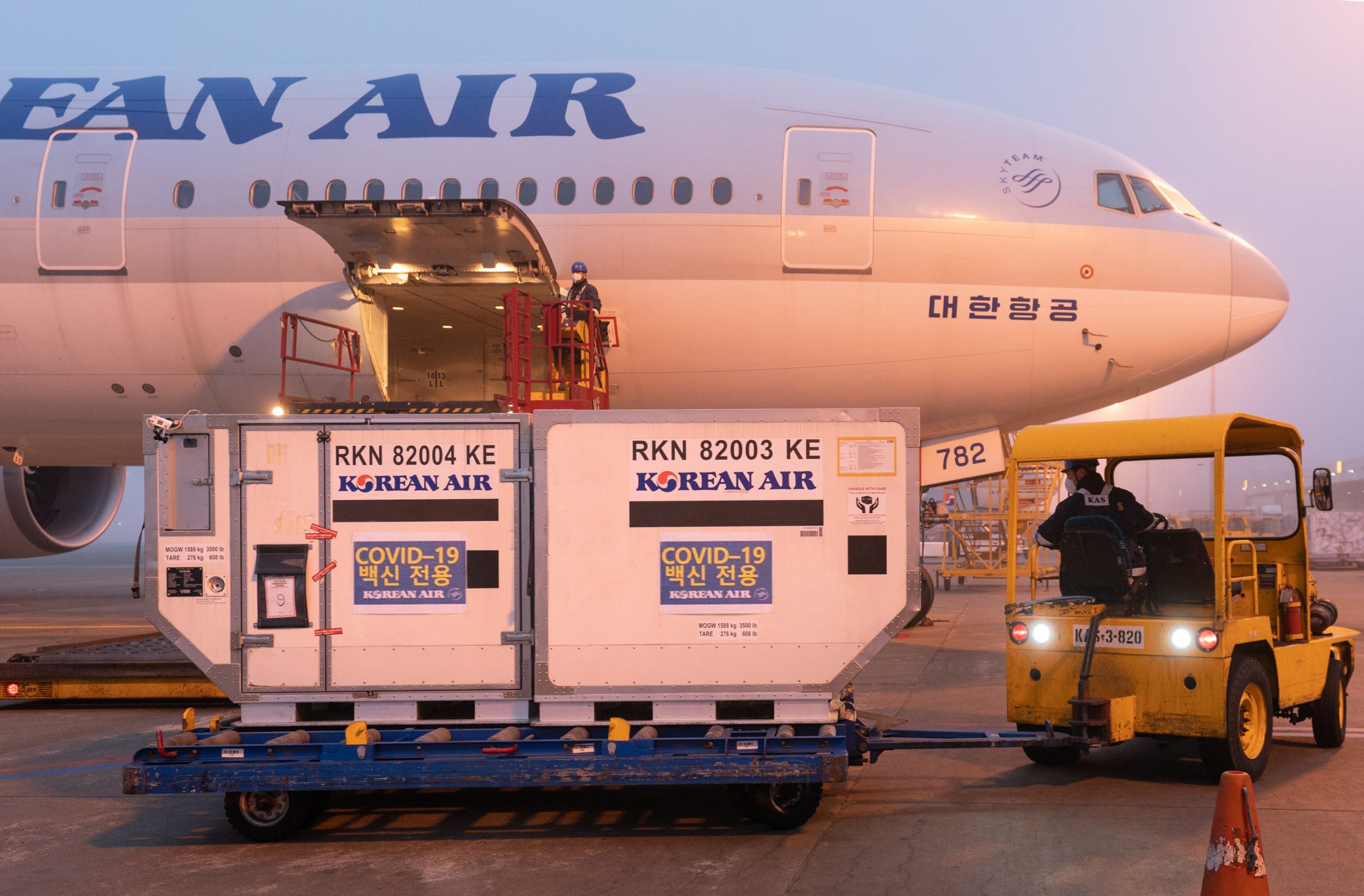
The International Civil Aviation Organisation (ICAO) and the United Nations Economic Commission for Europe (UNECE) announced they have completed new digital air cargo technical specifications guidance that they say will help accelerate the transition toward safer and more resilient supply chains, while making important contributions to COVID-19 response and recovery efforts. (PHOTO: Qatar Airways) The digital innovations will permit the air transport sector to transition away from long-standing paper-based documents used to facilitate the movement of global air freight, promoting a contactless air cargo environment and greater cross-border trade resilience in the face of future pandemic threats. In line with the recommendations of the ICAO Council’s Aviation Recovery Task Force (CART), the specifications will help reduce physical contact among international trade and transport professionals, and in so doing better protect the fluidity of cross-border trade and international transport operations from pandemic-related restrictions. ICAO Secretary General Juan Carlos Salazar. “The latest innovations reflect ICAO’s integrated, collaborative, and multilateral approach to transport policies encompassing air cargo and mail supply chains, and will play an important part in addressing both current and future pandemic risks,” said ICAO Secretary General Juan Carlos Salazar. “It’s our expectation that they will help address the tremendous double strain now being placed on global supply chains, whether by the COVID-19 pandemic itself, or the incredible surge in international e-commerce which has accompanied it,” Salazar said. Changi remains a key cargo transshipment point for Asia. (PHOTO: Singapore government) “The pandemic has clearly demonstrated the value of harmonised approaches to ensure resilient transport connectivity across all modes, and has further underscored the critical role of accelerated digitalisation. I am proud of the contribution of the practical tools developed with the support of UNECE’s United Nations Centre for Trade Facilitation and Electronic Business (UN/CEFACT). UNECE looks forward to building on this successful cooperation with ICAO for seamless multimodal transport and trade to drive countries’ sustainable socioeconomic recovery efforts,” said UNECE Executive Secretary Olga Algayerova. Carriers like Korean Air are relying on cargo to help them survive the pandemic. (PHOTO: Korean Air) ICAO’s collaboration with UNECE on supply chain digitalisation is an outcome of the Joint Statement on the Contribution of International Trade and Supply Chains to a Sustainable Socioeconomic Recovery in COVID-19 Times, which was signed by eight UN agencies in September 2020. These latest results will see digital specifications replacing the formerly paper-based Air Waybill (AWB), Dangerous Goods Declaration (DGD), and the Consignment Security Declaration (CSD). These in turn form part of a broader suite of deliverables for multimodal transport data sharing, applicable to air, road, rail, maritime, and inland water transport. The specifications and supporting materials are available free of charge to regulators, businesses, and other interested stakeholders through the UNDA COVID-19 Trade and Transport Project website, and ICAO and the UNECE will now turn their focus to assisting countries with implementing them. For Editorial Inquiries Contact: Editor Matt Driskill at [email protected] For Advertising Inquiries Contact: Head of Sales Kay Rolland at [email protected]
TAGSCargoICAOtechnical specifications
Previous article
TEAM Aviation buys ALSIM ALSR20 simulator
Asian Aviation Staffhttps://asianaviation.com/
Asian Aviation staff is comprised of award-winning journalists based throughout the Asia-Pacific region led by Editor Matt Driskill. 《亚洲航空》的编辑团队由主编马特·德里斯基尔 (Matt Driskill) 带领,汇聚了遍布亚太地区的获奖记者。