
Home › Cargo
COVID-19: IATA calls for air cargo coordination
Still too many examples of delays in getting charter permits issued, a lack of exemptions on COVID-19 testing for air cargo crew, and inadequate ground infrastructure to/from and within airport environments, association says.
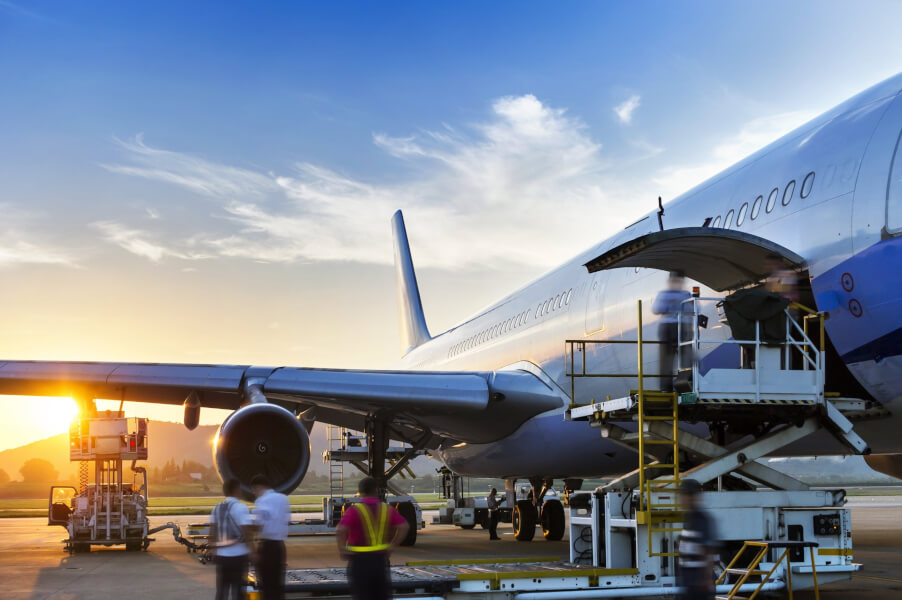
The global trade association for the world’s airlines, the International Air Transport Association (IATA), said governments need to improve international coordination to keep air cargo going, which is a lifeline for many countries suffering from the global COVID-19 pandemic. IATA said delays in permit approvals, quarantine measures for air cargo crew and not enough support on the ground continue to hamper the movement of cargo flights carrying vital medical supplies and other necessities. Glyn Hughes, head of air cargo for IATA. (PHOTO: LinkedIn) “Airlines are providing as much capacity as they can. Governments need to step up and ensure that vital supply lines remain open and efficient and that there is adequate infrastructure and support available in the air and on the ground,” said Glyn Hughes, IATA’s global head of air cargo. Many governments and international regulatory bodies are facilitating the movement of air cargo. The European Commission issued Guidelines on Facilitating Air Cargo Operations During COVID-19 Outbreak. The World Customs Organisation (WCO) has implemented a series of emergency contacts to ensure cargo border blockages can be responded to immediately, and the International Civil Aviation Organisation (ICAO) has issued a series of state letters urging member states to further facilitate air cargo flows during this time of crisis. Some airlines are coming up with innovative ways to use passenger cabins to carry cargo. (PHOTO: JC Aero) But there are still too many examples of delays in getting charter permits issued, a lack of exemptions on COVID-19 testing for air cargo crew, and inadequate ground infrastructure to/from and within airport environments. Air cargo needs to move efficiently throughout the entire supply chain to be effective. A screenshot of the Johns Hopkins University virus tracking site take on 19 April. To access the live site, click on the image. (PHOTO: Matt Driskill) IATA is urging governments to: Cut the paperwork for charter operations; Exempt cargo crew from quarantine rules that apply to the general population; Ensure there is adequate staff and facilities to process cargo efficiently; Mutually recognise agreed global standards (health certificates, licenses, etc.); Ensure alternate airports are available even if passenger flights are not operating. “To keep cargo flights operating safely, airlines need access to alternate airports along all routes. These alternate airports are where aircraft can land in the event of an emergency during flight. Because of the sharp drop in passenger flights, some airports that serve the critical alternate airport function are closed or not available at all times. A coordinated effort by governments to keep alternate airports operational is needed. If not, the global air cargo network cannot function and vital shipments are at risk,” said Hughes. COVID-19: The shape of aviation to come COVID-19: IATA warns of airline revenue losses at US$314 billion for 2020 due to pandemic COVID-19: AAPA says Asia-Pacific traffic down 93% in first week of April as borders remain closed COVID-19: IATA says 25 million jobs at risk as air travel shuts down ACI World advisory bulletin on the impact of COVID-19 on airports IATA coronavirus resource centre ICAO coronavirus resource centre Johns Hopkins University Virus Tracking Site “We all need to work together to keep cargo moving. That means we all need to be on the same page. Global standards are a priority to achieve this objective. IATA is disseminating the information required. And where there is more complexity, IATA’s vital role is to collect deviations/local information and make it available to all the players in the cargo industry,” said Hughes. IATA resources on cargo Air Cargo COVID-19 Action Page provides updated information covering all aspects of regulatory and operational information related to air cargo. IATA TACT COVID-19 Operational Impact Portal provides up to date information on airlines’ air cargo operations status to help ensure shipper access to capacity. IATA Quick Reference for Ground Handling During COVID-19 provides a reference guide for Ground Handling during the COVID-19 outbreak. IATA Guidance on the Safe Carriage of Cargo in the Passenger Cabin provides a comprehensive guide on issues to be considered when performing a safety risk and operational assessment when utilising passenger aircraft for cargo only operations. Download the latest issue of Asian Aviation here.
TAGSCargocoronavirusCOVID-19IATA
Previous article
COVID-19: Boeing to reopen additional plants, activates airlift for PPE mission from China
Matt Driskillhttp://www.matt-driskill.com
Matt Driskill is the Editor of Asian Aviation. He has been an Asia-based journalist and content producer since 1990 for outlets including Reuters and the International Herald Tribune/New York Times and is a former president of the Foreign Correspondents Club of Hong Kong. He appears on international broadcast outlets like Al Jazeera, CNA and the BBC and has taught journalism at Hong Kong University and American University of Paris. In 2022 Driskill received the “Outstanding Achievement Award” from the Aerospace Media Awards Asia organisation for his editorials and in 2024 received a “Special Recognition for Editorial Perspectives” award from the same organisation. Driskill has received awards from the Associated Press for Investigative Reporting and Business Writing and in 1989 was named the John J. McCloy Fellow by the Graduate School of Journalism at Columbia University in New York where he earned his Master's Degree.
马特·德里斯基尔(Matt Driskill)是《亚洲航空》(Asian Aviation)的主编。他自1990年起,担任驻亚洲的记者和内容制作人,曾为路透社、国际先驱论坛报/纽约时报等媒体工作,并曾任香港外国记者协会会长。他也曾多次在半岛电视台、新加坡广播公司(CNA)和BBC等国际媒体担任嘉宾,并在香港大学和巴黎美国大学教授新闻学。2022年,德里斯基尔因其评论获得了航空媒体奖(Aerospace Media Awards Asia)颁发的“杰出成就奖”,2024年又因其编辑观点获得同一组织颁发的“特别表彰”。他曾获得美联社的调查报道和商务写作奖,并于1989年被纽约哥伦比亚大学研究生新闻学院授予约翰·J·麦克劳伊学者(John J. McCloy Fellow)称号,获得硕士学位。