
Home › Airlines
COVID-19: AAPA says Asia-Pacific traffic down 93% in first week of April as borders remain closed
Asian airlines need regulatory assistance in streamlining operations, scheduling flights and crew clearances to carry critical goods and people anxious to return home, AAPA says.
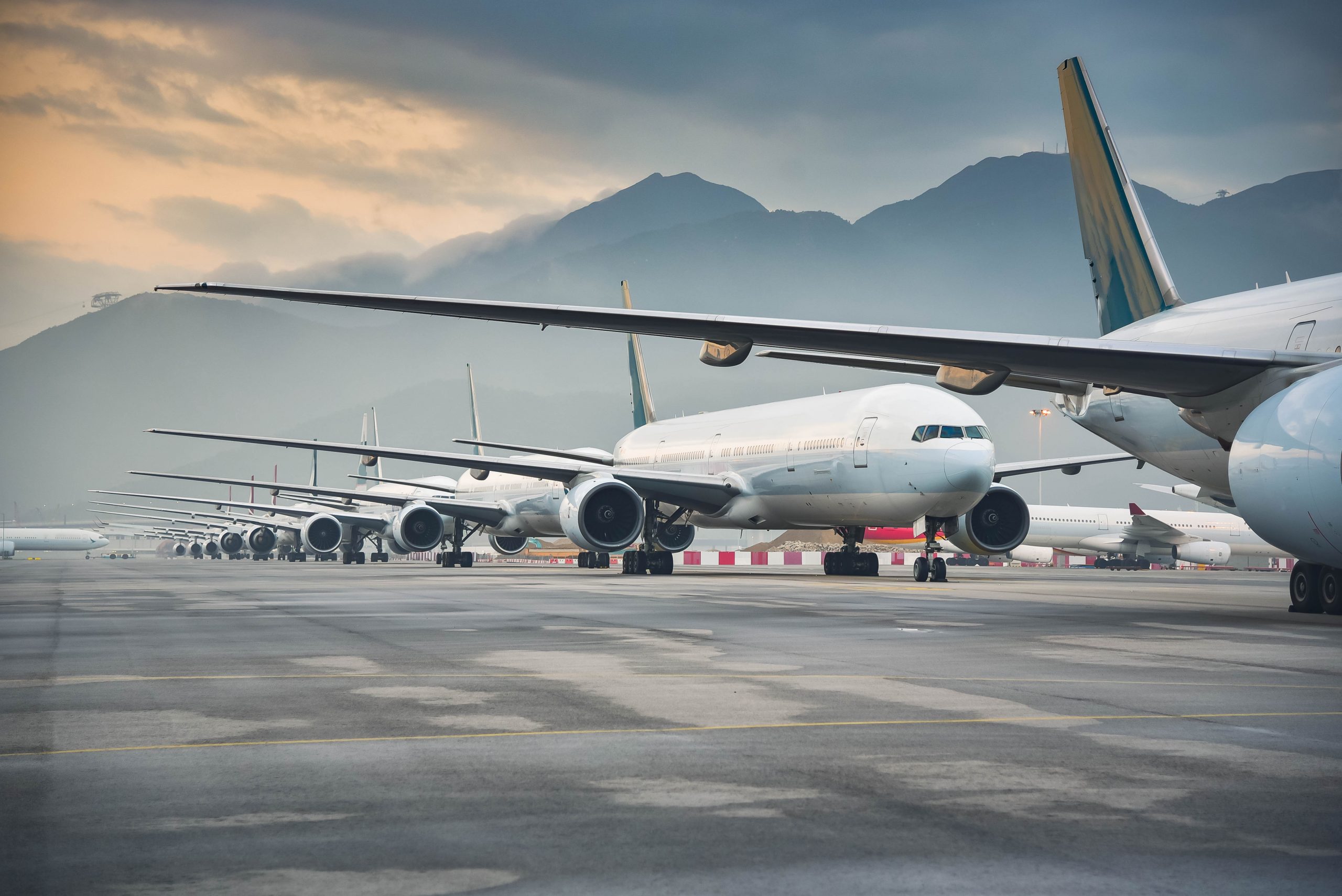
AAPA says Asia-Pacific traffic down 93% in first week of April as borders remain closed The main trade group representing Asia-Pacific airlines said worldwide demand for air travel “has collapsed following border closures and other travel restrictions” and that the number of flights operated by Asia-Pacific airlines in the first week of April declined by 93 percent compared to normal levels of traffic established at the beginning of the year because of the COVID-19 coronavirus pandemic. A screenshot of the coronavirus tracking site at Johns Hopkins University showing more than 2 million infections worldwide. To access the live site, click on the image. (PHOTO: Matt Driskill) The Association of Asia-Pacific Airlines (AAPA), said Monday (13 April) that several Asia-Pacific carriers have been mounting additional flights on an ad-hoc basis to meet the demand for repatriation flights for stranded passengers to return to their home countries. “Amid border closures, shutdowns and lockdowns, Asia-Pacific airlines are striving to maintain critical air connectivity to continue transporting important supplies and serve the needs of people who still need to travel urgently, including skilled medical personnel and other essential service providers,” the association said in a statement. AAPA said Asian airlines “need regulatory assistance in streamlining operations, scheduling flights and crew clearances to carry critical goods and people anxious to return home. The Association of Asia Pacific Airlines appeals to governments for support by granting the necessary flexibility on relaxing slot constraints, curfews on operating hours as well as by expediting approvals and exempting crew from quarantine requirements where necessary”, the statement read. The association also said worldwide demand for air cargo declined by 19 percent in March 2020 compared to the same month last year “but is holding up relatively well despite economic disruption in many economies following measures aimed at slowing the spread of COVID-19”. COVID-19: The shape of aviation to come COVID-19: IATA says 25 million jobs at risk as air travel shuts down COVID-19: Airbus cuts production by one-third COVID-19: The quiet skies over India Goods being shipped by air cargo include significant volumes of pharmaceuticals, medical protective equipment, and food supplies. Airlines have increased the number of services operated by dedicated freighter aircraft to partially compensate for the loss of belly-hold capacity resulting from the drastic cutbacks in passenger services. A number of Asian airlines have also been operating additional air cargo services using passenger aircraft adapted to carry cargo both in the belly-hold as well as in the cabin in the absence of passengers. AAPA Director General Subhas Menon. (PHOTO: File) Newly installed AAPA Director General Subhas Menon said: “The current crisis is taking an enormous toll on Asian economies and people’s livelihoods across the region. Some 50 million people work in travel and tourism alone within the Asia-Pacific region. We recognise and applaud the efforts being made by many governments to offer financial assistance and support to the aviation industry as well as the wider travel and tourism sector.” Menon added: “The Asia-Pacific aviation community is strongly committed to continuing to work closely with governments, public health authorities, and other international bodies to both respond to current challenges, and at the same time begin to make plans for recovery. Aviation has always been a key driver of economic and social development, nowhere more so than in the Asia-Pacific region, and will play an important role in the overall recovery effort.” Download the latest issue of Asian Aviation here.
TAGSAAPAcoronavirusSubhas Menon
Previous article
AirAsia warns over scam using founder’s name
Matt Driskillhttp://www.matt-driskill.com
Matt Driskill is the Editor of Asian Aviation. He has been an Asia-based journalist and content producer since 1990 for outlets including Reuters and the International Herald Tribune/New York Times and is a former president of the Foreign Correspondents Club of Hong Kong. He appears on international broadcast outlets like Al Jazeera, CNA and the BBC and has taught journalism at Hong Kong University and American University of Paris. In 2022 Driskill received the “Outstanding Achievement Award” from the Aerospace Media Awards Asia organisation for his editorials and in 2024 received a “Special Recognition for Editorial Perspectives” award from the same organisation. Driskill has received awards from the Associated Press for Investigative Reporting and Business Writing and in 1989 was named the John J. McCloy Fellow by the Graduate School of Journalism at Columbia University in New York where he earned his Master's Degree.
马特·德里斯基尔(Matt Driskill)是《亚洲航空》(Asian Aviation)的主编。他自1990年起,担任驻亚洲的记者和内容制作人,曾为路透社、国际先驱论坛报/纽约时报等媒体工作,并曾任香港外国记者协会会长。他也曾多次在半岛电视台、新加坡广播公司(CNA)和BBC等国际媒体担任嘉宾,并在香港大学和巴黎美国大学教授新闻学。2022年,德里斯基尔因其评论获得了航空媒体奖(Aerospace Media Awards Asia)颁发的“杰出成就奖”,2024年又因其编辑观点获得同一组织颁发的“特别表彰”。他曾获得美联社的调查报道和商务写作奖,并于1989年被纽约哥伦比亚大学研究生新闻学院授予约翰·J·麦克劳伊学者(John J. McCloy Fellow)称号,获得硕士学位。