
Home › Manufacturers
ATR touts Indonesia as ripe for turboprops
Company IDs demand for 209 new domestic air routes
By Asian Aviation Staff
•Aug 20, 2026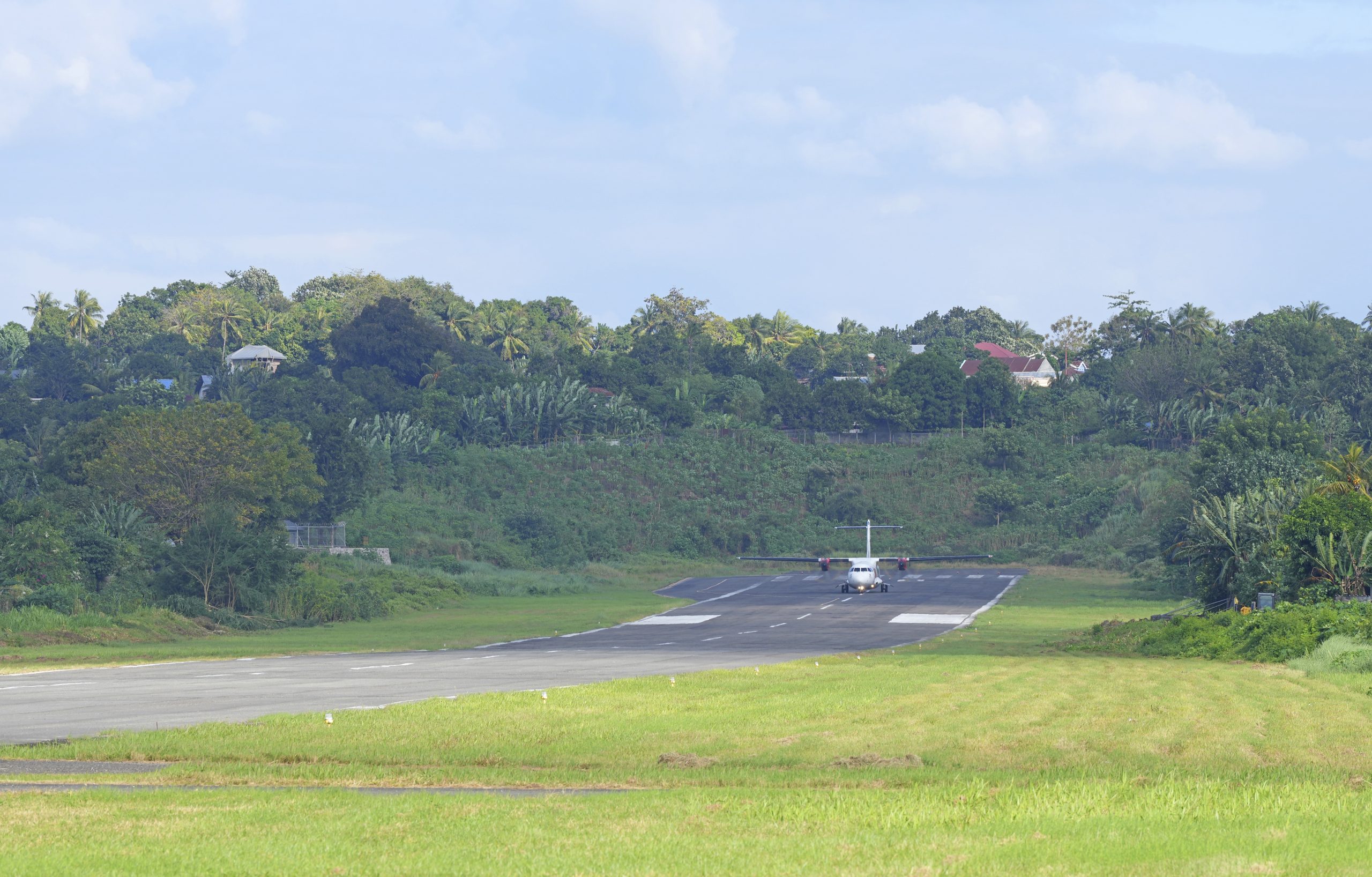
Regional aircraft maker ATR says Indonesia is well-suited for turboprop planes and the company has identified 209 new domestic air routes in Indonesia that would be economically viable if served by regional turboprop aircraft. Total demand for these routes is 16 million passengers per annum and the airport infrastructure already exists. There is enormous scope to develop new domestic air routes in Indonesia, because 70 of the country’s 180 airports, with paved runways, currently have no scheduled passenger services, ATR said. The company said it “discovered” the new economically-viable air routes using its proprietary MobilityMonitor platform which identified the travel patterns of 35 million Indonesian residents. This group – a representative sample of the broader Indonesian population – did 780 million inter-city journeys in a year. These journeys involved various types of transport, including: cars, motorbikes, buses, ferries, trains and planes. Around 90% of these journeys were 100 to 800 kilometres, a range perfectly suited to turboprops like ATRs. By overlaying the most popular journeys with Indonesia’s airport network, and then extrapolating the representative sample data to ascertain the total market size, ATR identified 209 potential air routes. Interestingly, 88% of the potential air routes – accounting for 14 million passenger volume per annum – are intra-island routes. Also, 90% of the new potential air routes are on islands other than Java, namely: Sumatra, Sulawesi, Kalimantan, Papua and Maluku. Java has good road infrastructure whereas the other islands have fewer and slower roads. Java represents only around 7% of Indonesia’s land area, but contains approximately 58% of the country’s motorway network. Kalimantan, by comparison, is four times larger than Java but has only around 5% of the motorway network. ATR’s MobilityMonitor data shows a big difference in mobility across the archipelago. Average surface travel speeds for Java is around 65 km/h, due to the more extensive road and rail network, but travel speeds fall to between 26km/h and 37km/h elsewhere. The average distances travelled on these larger islands are often much longer, frequently exceeding 350 kilometres and reaching nearly 480 kilometres in parts of Papua. ATR’s MobilityMonitor identified Sumatra and Sulawesi as the largest potential markets for regional aviation, due to strong travel demand across a significant number of new city-pairs. An example is Bengkulu–Pekanbaru (BKS–PKU) in Sumatra. The road journey can take more than 18 hours, while a direct flight would be approximately one hour. ATR estimates that passenger demand is sufficient to support two daily services. “What we’ve identified there is a large untapped market. The demand is there, as is the airport infrastructure. What is needed now is the right aircraft” says Alexis Vidal, ATR’s Senior Vice-President, Commercial. “Our MobilityMonitor has also quantified the large differences in mobility across the archipelago, but ATR air services can bridge the gap. By connecting communities across the archipelago using regional air services, it will help to drive economic growth, provide greater access to essential services and create more opportunities for people.” For Editorial Inquiries Contact: Editor Matt Driskill at [email protected] For Advertising Inquiries Contact: Head of Sales Sally Passey at [email protected]
TAGSATRIndonesia
Previous article
Singapore’s SATS posts S$75 million profit in Q1
Asian Aviation Staffhttps://asianaviation.com/
Asian Aviation staff is comprised of award-winning journalists based throughout the Asia-Pacific region led by Editor Matt Driskill. 《亚洲航空》的编辑团队由主编马特·德里斯基尔 (Matt Driskill) 带领,汇聚了遍布亚太地区的获奖记者。