
Home › Airports
ACI APAC urges more governments to reopen borders and relax quarantine restrictions
Repeat of dismal 2021 can be avoided for 2022 if governments adopt risk-based, pragmatic approaches recommended by ICAO and WHO, association says
By Asian Aviation Staff
•Nov 2, 2021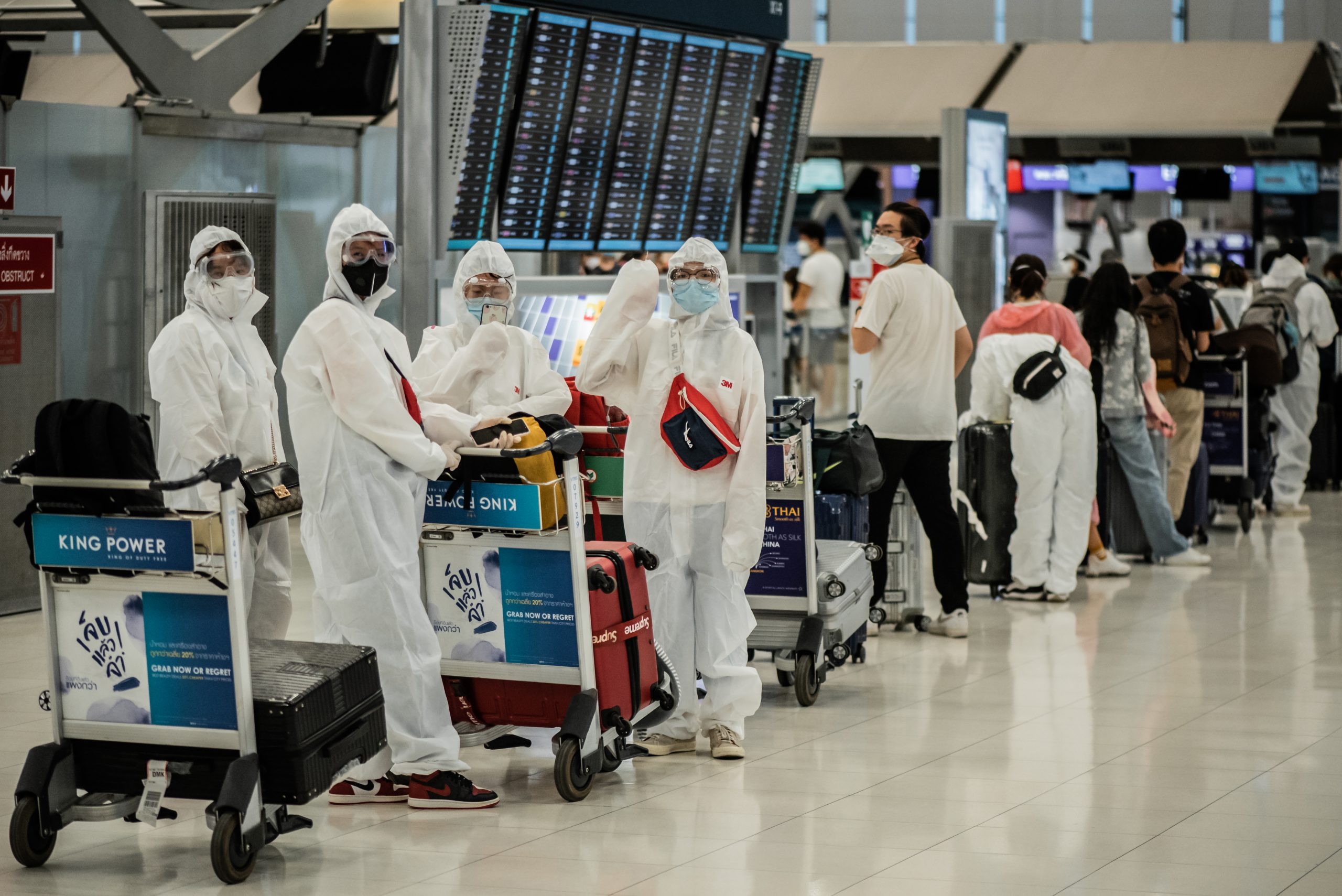
Airports Council International (ACI) Asia-Pacific today urged more governments to reopen borders and relax quarantine requirements especially in countries which have reached satisfactory vaccination rates, to prevent repeat of a dismal year for Asia-Pacific and Middle East airports. This follows the release of latest figures forecasting sustained losses in 2021 for airports in Asia-Pacific and the Middle East. Asia-Pacific, already adversely affected by constant lockdowns, stringent travel and quarantine restrictions, is forecasted to close out the year with around 56 percent passenger losses, despite resumption of some domestic travel in a few markets. Consistent with forecasts previously reported in 2020, the Middle East will be one of the hardest-hit regions globally with almost 70 percent passenger losses. Compared with ACI’s pre-pandemic projections for the same period, the two regions are forecasted to lose over 2.3 billion passengers by the end of 2021. Similarly, airport revenues, a direct reflection of passenger traffic, are forecasted to decline by approximately US$34 billion in Asia-Pacific and US$11 billion in the Middle East by the end of 2021. “The latest ACI forecast shows that after a bad 2020 in terms of traffic and revenues, 2021 was even more dismal for Asia-Pacific and Middle East airports,” said Stefano Baronci, director general, ACI Asia-Pacific. The particularly negative outcome in Asia-Pacific is a direct consequence of travel restrictions and quarantine policies observed in many countries in the region. Singapore Airlines hopes the government’s new Vaccinated Travel Lanes will bring people back to flying. A lone student waits to say goodbye to a friend in a nearly deserted departure hall. (PHOTO: Matt Driskill) “A repeat of the dismal 2021 can be avoided for 2022 if more governments can adopt the risk-based, pragmatic approaches recommended by ICAO and the WHO,” Baronci added. “In pursuit of boosting international travel and stimulating economic growth, some countries are applying these approaches, such as Singapore, Thailand, Fiji and Maldives along with several Middle East and European countries and the United States. By the end of 2021, more major economies in Asia would have fully vaccinated over 70 percent of their populations, bringing an additional layer of protection against the coronavirus. With continued careful monitoring of public health situations through indicators such as hospitalisation and mortality rates, more governments are urged to expedite the calculated risk of relaxing quarantine policies, and follow the global trend of adopting digital health certificates with a view of supporting the resumption of international air travel,” Baronci said. For Editorial Inquiries Contact: Editor Matt Driskill at [email protected] For Advertising Inquiries Contact: Head of Sales Kay Rolland at [email protected]
TAGSACI Asia-PacificCOVID-19quarantines
Previous article
Study says despite COVID challenges, pax show overall satisfaction with airport experience
Asian Aviation Staffhttps://asianaviation.com/
Asian Aviation staff is comprised of award-winning journalists based throughout the Asia-Pacific region led by Editor Matt Driskill. 《亚洲航空》的编辑团队由主编马特·德里斯基尔 (Matt Driskill) 带领,汇聚了遍布亚太地区的获奖记者。